How to Read Crochet Charts and Symbols: A Beginner’s Masterclass
Want to know how to read crochet charts and symbols like a pro? Decode stitch diagrams, master abbreviations, and bring cute handmade animal plushies and wearables to life with absolute ease.
Explore our main homepage or review our foundational guide on the easiest crochet stitch to build your core crafting skills first.
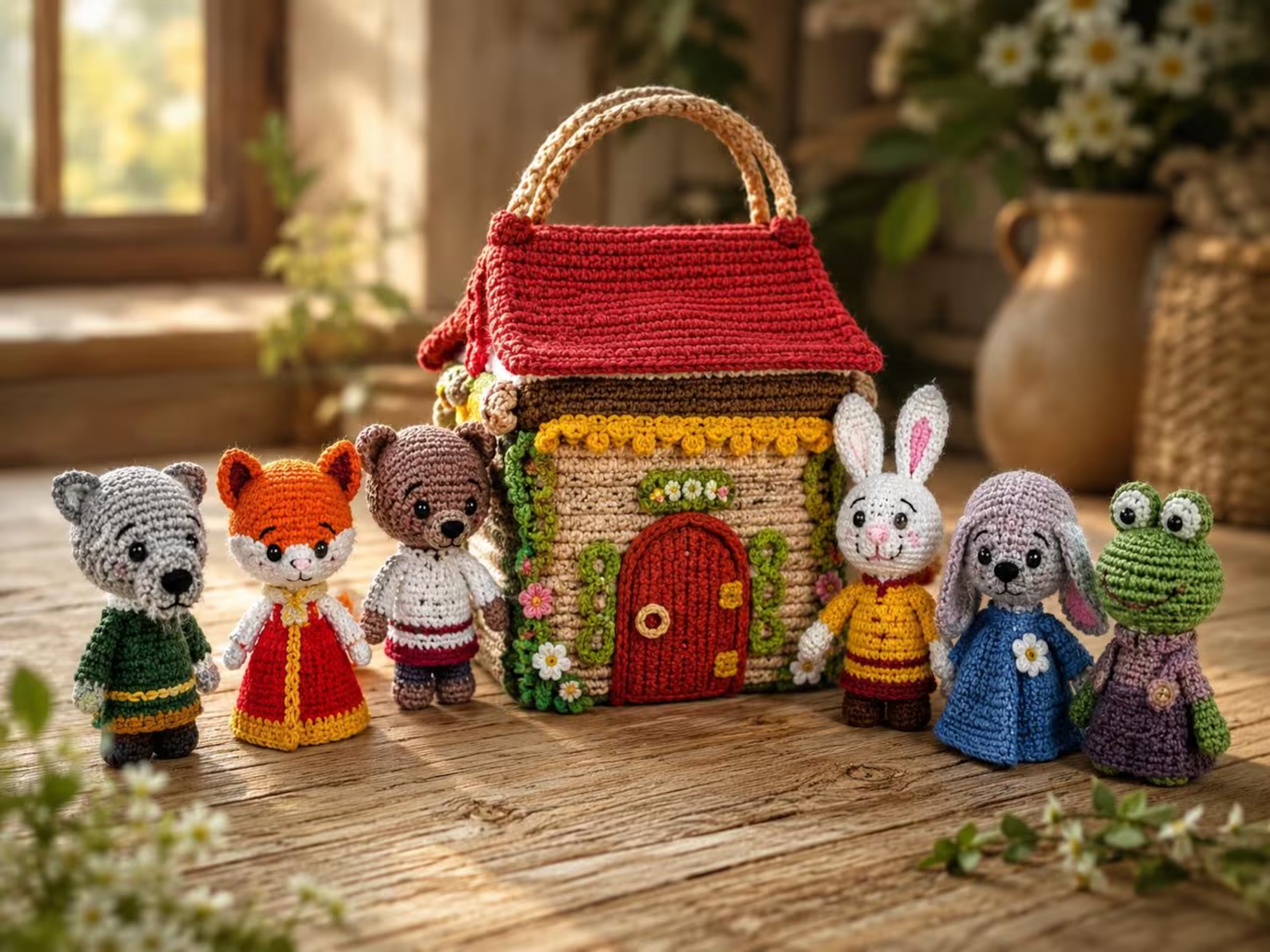
Learning symbol charts unlocks endless creative possibilities for crafting interactive animal puppets and plushies.
Table of Contents
- 1. Introduction: Unlocking the Visual Language of Crochet
- 2. Anatomy of a Crochet Chart: Universal Symbols Explained
- 3. Essential Crochet Symbols & Abbreviations Glossary
- 4. Reading Charts in Rounds vs. Rows: Following the Flow
- 5. Translating Chart Symbols into Stitches and Increases
- 6. Video Walkthrough & Visual Chart Reading
- 7. Put Your Skills to Practice: Puppets and Animal Booties
- 8. Pro Tips for Avoiding Common Chart-Reading Mistakes
- 9. Get Free Amigurumi & Craft Patterns Weekly!
- 10. Conclusion & Next Steps
1. Introduction: Unlocking the Visual Language of Crochet
When you first look at a crochet symbol chart or pattern diagram, it can easily look like an intricate map filled with mysterious geometric signs. Lines, ovals, crosses, and dashes might make you want to put your hook down and stick exclusively to written text. But do not worry! Once you learn how to read crochet charts and symbols, you unlock a universal language used by designers across the globe.
Unlike traditional written abbreviations that can vary by region or designer shorthand, international crochet charts use standardized symbols that look identical regardless of the language they were written in. If you have already practiced basic crochet stitches, transitioning into visual chart reading is the next powerful step in your creative journey.
This comprehensive masterclass will guide you through every standard diagram element, symbol shape, and reading direction so you can interpret charts with total clarity and confidence.
2. Anatomy of a Crochet Chart: Universal Symbols Explained
Every standard crochet symbol chart is a graphical representation of your fabric as you stitch it. Understanding how these grids and spirals are structured helps you map out your project before making your first loop. Whether you are crafting items from our curated pattern collections or independent designer files, every chart generally features:
- The Grid or Spiral Map: A structured visual layout where each symbol corresponds to a specific stitch on your work.
- Round and Row Numbers: Markers placed at the end of lines or spirals indicating where each round begins and ends.
- Symbol Legend Key: A quick reference dictionary explaining what each geometric icon (ovals, bars, crosses) represents in that specific diagram.
- Directional Arrows: Indicators showing whether you read the chart clockwise, counter-clockwise, or back-and-forth in rows.
3. Essential Crochet Symbols & Abbreviations Glossary
To read charts fluently, you must connect visual symbols to their standard stitch names and abbreviations. Here is your quick-reference glossary:
4. Reading Charts in Rounds vs. Rows: Following the Flow
When examining a crochet chart, the direction in which you read depends entirely on how the project is constructed:
Reading Charts Worked in Rounds (Circles/Squares): Circular charts (like mandalas, doilies, or center-out motifs) are almost always read from the center outward in a counter-clockwise or clockwise circle (check the pattern notes for the designer’s specific flow). Each round is clearly numbered near its starting point, and you move progressively outward as your piece expands.
Reading Charts Worked in Rows (Flat Panels): Flat charts (such as stitch pattern swatches or garment panels) are read alternatingly. Right-side rows are read from right to left, while wrong-side rows are read from left to right, mirroring how your work turns over after every completed pass.
5. Translating Chart Symbols into Stitches and Increases
Charts remove language barriers, allowing you to see structural patterns instantly. For example, when looking at an increase on a chart, you will see two individual symbol stems branching out of the exact same base stitch or foundation space below.
Conversely, decreases show two separate stitch bases merging into a single top point. By scanning a chart visually, you can instantly identify shaping zones, corner spaces in squares, and texture shifts without getting bogged down in dense blocks of text.
Once you grasp these visual cues, you can easily transition into crafting our animal crochet patterns with absolute technical precision.
6. Video Walkthrough & Visual Chart Reading
Interpreting chart diagrams becomes remarkably easy when you watch symbols transform into active hand movements. Watch the tutorial video below to see how standard chart icons correlate directly to physical stitches on your hook.
How to Read Crochet Charts and Symbols – Beginner’s Guide
Source video link: Watch on YouTube
7. Put Your Skills to Practice: Puppets and Animal Booties
Now that you understand how to decode charts and stitch symbols, it is time to put your fresh knowledge into action with our specialized pattern bundles!
Crochet Hand Puppet Patterns Bundle
Bring storytelling alive with our adorable Crochet Hand Puppet Patterns Bundle. Designed with clear charts and beginner-friendly instructions, these playful characters make wonderful gifts or interactive toys for kids.
Create interactive playtime companions using our structured puppet pattern charts.
Animal Booties Crochet Pattern (Baby Shoes PDF Bundle)
Keep tiny feet warm and cozy with our Animal Booties Crochet Pattern Bundle. This comprehensive guide combines precise visual charts with step-by-step assembly notes to help you craft charming animal-themed baby footwear effortlessly.
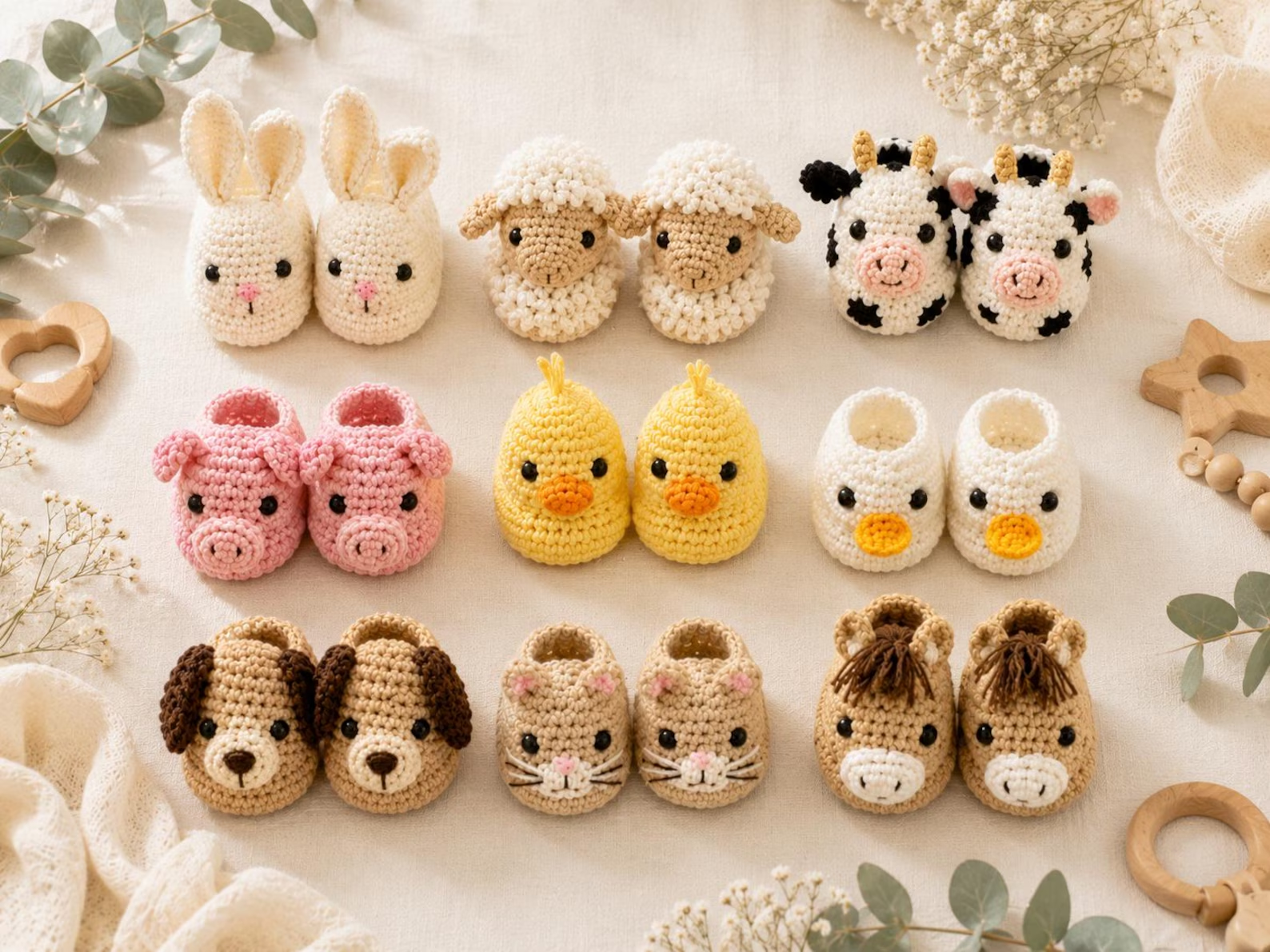
Master shaping baby footwear proportions with our detailed shoe pattern guides.
8. Pro Tips for Avoiding Common Chart-Reading Mistakes
Even experienced crocheters misread diagrams occasionally. Implement these professional habits to ensure your charted projects turn out flawless every single time:
- Always print or zoom in: Do not strain your eyes over tiny digital thumbnails. Print your chart or zoom in closely on your tablet screen.
- Use a highlighter tape: Place transparent sticky notes or digital highlighter bars across completed rows or rounds so you never lose your tracking spot.
- Check the symbol key first: Different designers can occasionally use alternate icons for specialty stitches. Always scan the legend before stitching.
- Count your boxes/symbols: Cross-reference your stitch count totals at the end of a chart row with your actual physical count.
9. Get Free Amigurumi & Craft Patterns Weekly!
Want more exclusive animal patterns, chart-reading breakdowns, and secret subscriber discounts delivered straight to your inbox? Join our crafting community today!
Join the AmiguCritters Club
Subscribe to get instant access to free PDF guides, secret pattern markdowns, and weekly crochet tips.
We respect your privacy. Unsubscribe at any time with one click.
10. Conclusion & Next Steps
Mastering how to read crochet charts and symbols opens up a vibrant world of international design. What once looked like an intimidating grid of shapes now represents your clear visual roadmap to creating delightful handmade animal companions and footwear.
Ready to Start Your Next Project?
Explore value-packed animal pattern bundles, puppets, and shoe kits by visiting our collections and bundles page today.