Best Yarn for Amigurumi: Ultimate Beginner’s Material Guide
Confused about which yarn weight and fiber type to pick? Discover the best yarn for amigurumi projects to ensure your handmade animal plushies look neat, hold their shape, and stand the test of time.
Before you pick your materials, make sure you build foundational skills using the easiest crochet stitch, or jump straight into interpreting diagrams with our guide on how to read amigurumi crochet patterns.
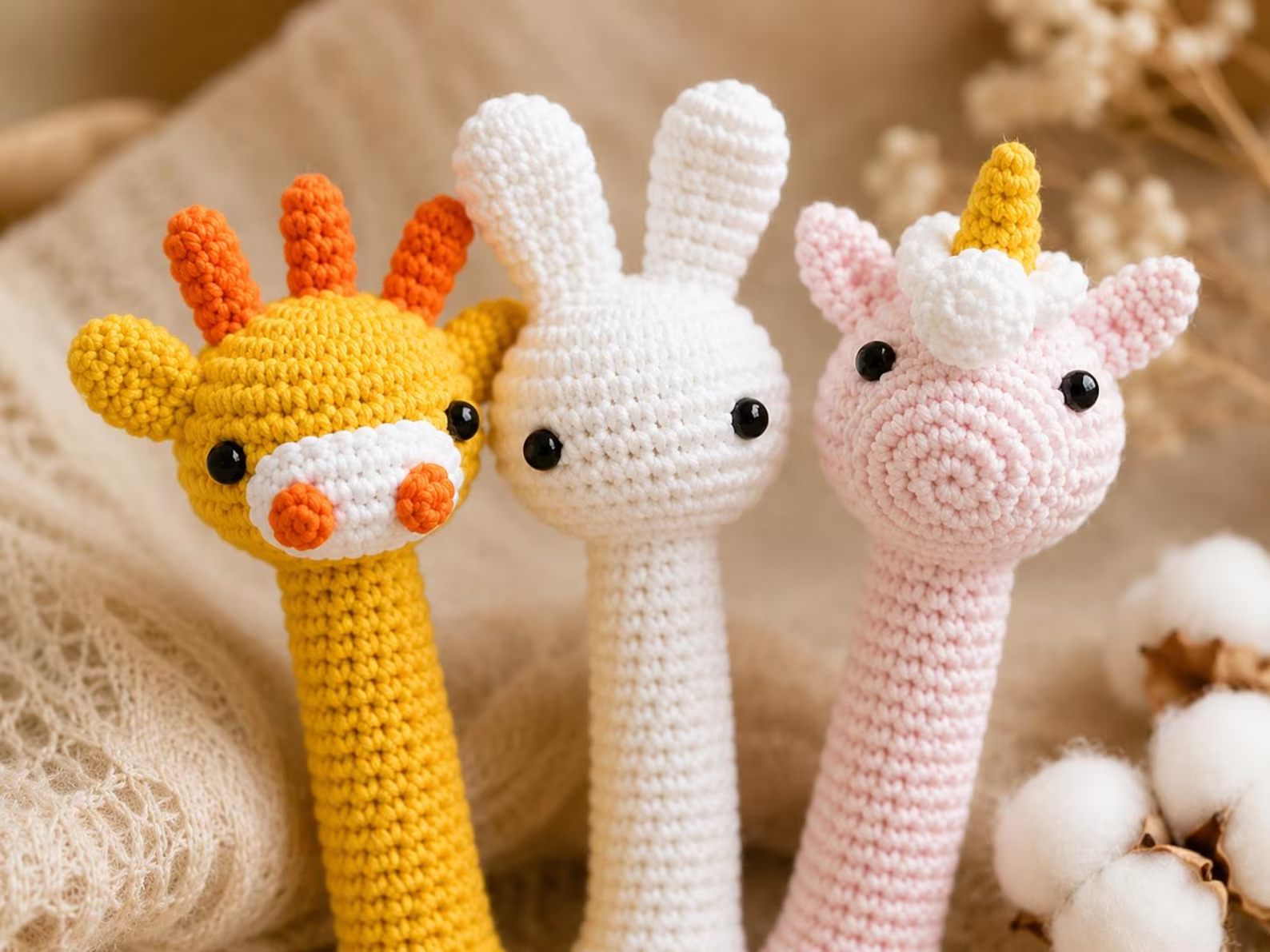
Choosing the right fiber and weight brings professional clarity and neat stitch definition to your handmade animal rattles.
Table of Contents
- 1. Introduction: Why Yarn Choice Makes or Breaks Your Amigurumi
- 2. Comparing Fiber Types: Cotton, Acrylic, Velvet, and Blends
- 3. Watch: Beginner’s Guide to Choosing the Best Amigurumi Yarn
- 4. Understanding Yarn Weights for 3D Animal Plushies
- 5. Matching Your Hook Size to Prevent Stuffing Gaps
- 6. Top Recommended Yarn Brands for Amigurumi Makers
- 7. Applying Your Material Knowledge to Animal Collections
- 8. Pro Tips for Yarn Tension and Managing Dye Lots
- 9. Frequently Asked Questions (FAQs)
- 10. Get Free Amigurumi Crochet Patterns Weekly!
- 11. Conclusion & Next Steps
1. Introduction: Why Yarn Choice Makes or Breaks Your Amigurumi
When you embark on creating a cute stuffed animal, choosing the right yarn is just as important as the pattern itself. Unlike garments or blankets where drape and softness are your primary goals, amigurumi requires structure, durability, and tight tension to keep polyester fiberfill stuffing from peeking through the gaps.
If you pick a fuzzy, slippery, or incorrect weight yarn, your stitches might turn out loose, messy, or completely distorted. Understanding material science helps you select the best yarn for amigurumi so your creations look clean and professional every single time.
Whether you are designing custom toys or working through structured guidelines like reading amigurumi crochet patterns, starting with proper materials sets you up for absolute success.
2. Comparing Fiber Types: Cotton, Acrylic, Velvet, and Blends
Different fibers behave completely differently under tension. Let’s look at the four most common yarn fiber choices for amigurumi makers:
- 100% Cotton Yarn (The Gold Standard): Cotton yarn has virtually no stretch, crisp stitch definition, and a matte finish. This makes individual single crochet stitches stand out sharply, resulting in clean, professional-looking animal toys that hold their sculptural shape exceptionally well.
- 100% Acrylic Yarn (Budget-Friendly & Soft): Acrylic is affordable, lightweight, and comes in an endless palette of vibrant colors. While it has a bit more stretch than cotton, premium acrylic works wonderfully for larger plushies when paired with correct tension control.
- Velvet & Chenille Yarn (Super Bulky Plush): Incredibly soft and luxurious, velvet yarn creates massive, huggable stuffed animals. However, it can make identifying individual stitches difficult for absolute beginners.
- Cotton-Acrylic Blends: Combining the durability and structure of cotton with the soft flexibility of acrylic, these hybrid yarns offer a great middle-ground for intermediate crafters.
3. Watch: Beginner’s Guide to Choosing the Best Amigurumi Yarn
Seeing yarn textures up close makes material selection much simpler. Watch the video walkthrough below to understand how different fibers perform during real-world crafting sessions.
Which yarn is best to use? – Beginners Amigurumi
Direct YouTube Link: Watch on YouTube
4. Understanding Yarn Weights for 3D Animal Plushies
Yarn weight dictates how thick your strand is, directly influencing the final size and firmness of your stuffed toy:
5. Matching Your Hook Size to Prevent Stuffing Gaps
Even the best yarn will fail if you pair it with the wrong hook size. For amigurumi, you should always drop your hook size down by 1 or 2 sizes smaller than what the yarn label recommends.
For instance, if a worsted-weight yarn recommends a 5.0mm hook, you should use a 3.5mm or 4.0mm hook for your amigurumi projects. This creates a tightly closed fabric that securely locks in polyester filling without letting white stuffing poke through your single crochets.
6. Top Recommended Yarn Brands for Amigurumi Makers
Experienced makers swear by specific yarn lines known for their durability, color vibrancy, and split-resistance:
- Schachenmayr Catania (Sport Weight Cotton): The absolute favorite among global designers for precise stitch definition.
- Lion Brand Vanna’s Choice or Heartland (Worsted Weight Acrylic): Exceptionally smooth acrylics that glide across hooks easily.
- Hobbii Rainbow Cotton 8/8 (DK Cotton): Highly affordable with hundreds of gorgeous shades for animal projects.
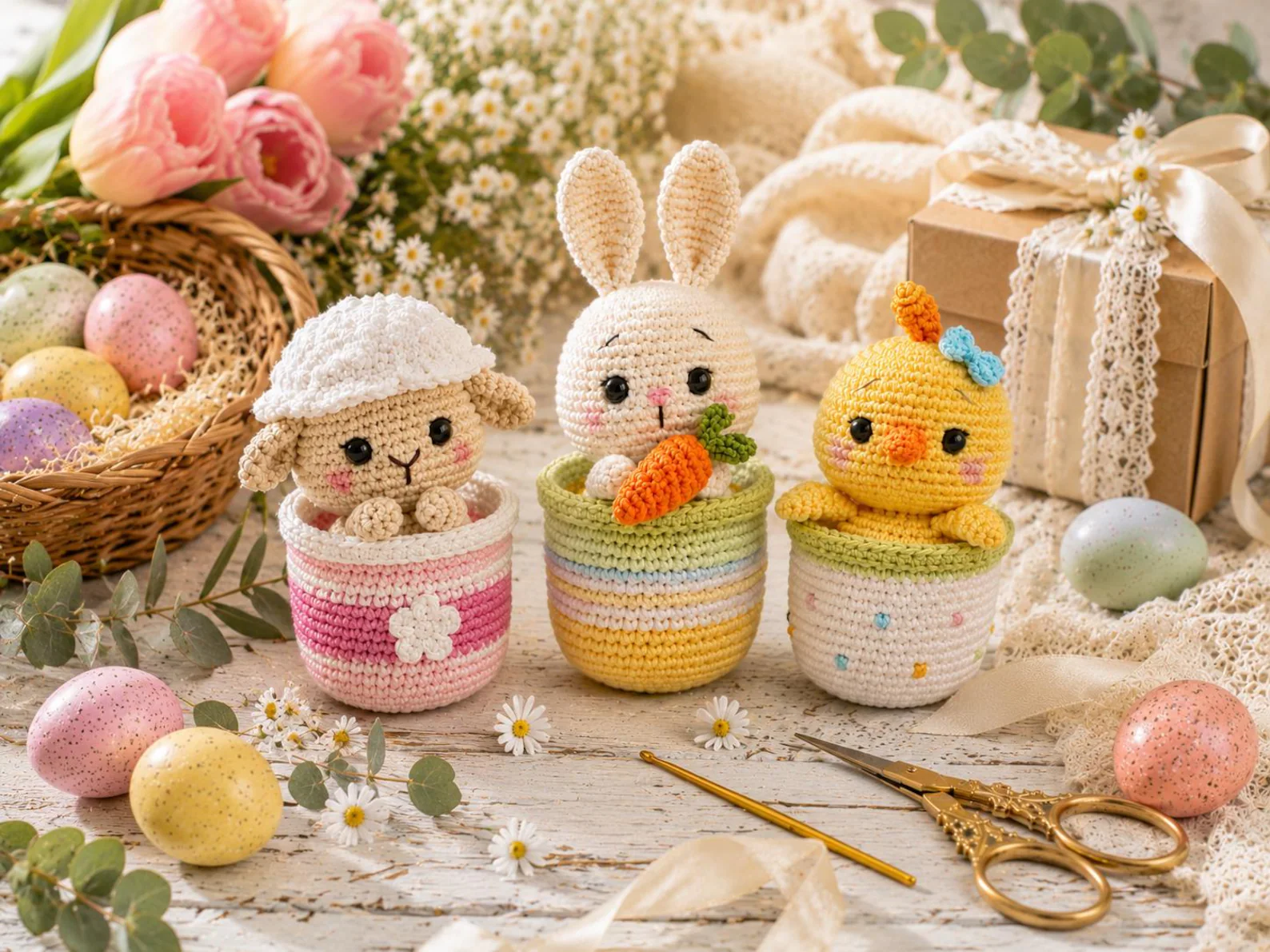
Selecting structured cotton yarns ensures miniature potted characters hold upright posture without sagging.
7. Applying Your Material Knowledge to Animal Collections
Now that you understand yarn weights, fiber traits, and hook pairing, you are fully equipped to bring structural stability to your crafting sessions. Proper material handling makes following detailed diagrams and constructing complex shapes dramatically simpler.
When you feel ready to put your new yarn choices to the test, explore our handcrafted animal crochet patterns or browse through our comprehensive collections and bundles page today.
8. Pro Tips for Yarn Tension and Managing Dye Lots
Keep these professional tips in mind to protect the aesthetic consistency of your handmade toys:
- Always buy matching dye lots: Different batches of yarn can have subtle color shifts. Always check the wrapper numbers before purchasing skeins for a single project.
- Maintain consistent tension: Pull your yarn evenly on every stitch to prevent bulky bulges or pinched narrow spots in your toy limbs.
- Under-stuff vs. Over-stuff: Stuff your animal parts firmly enough to eliminate wrinkles, but avoid stretching your stitches apart.
9. Frequently Asked Questions (FAQs)
Can I use fluffy blanket yarn for amigurumi?
Yes! Super bulky chenille or velvet blanket yarns make wonderful, ultra-soft plush animals. However, they can make it harder to see individual stitches, so they are generally recommended once you have mastered basic shaping.
Why is cotton yarn recommended over acrylic for beginners?
Cotton yarn has virtually no stretch and a matte finish, making it much easier to count individual single crochet stitches and spot mistakes without distortion.
Should I wash my amigurumi toys before gifting them?
If you used 100% cotton or acrylic yarn, you can gently hand wash your finished animal in lukewarm water with mild soap and air dry it completely.
10. Get Free Amigurumi Crochet Patterns Weekly!
Want more exclusive animal patterns, material guides, and special subscriber discounts delivered straight to your inbox? Join our crafting community today!
Join the AmiguCritters Club
Subscribe to get instant access to free PDF guides, secret pattern markdowns, and weekly crochet tips.
We respect your privacy. Unsubscribe at any time with one click.
11. Conclusion & Next Steps
Choosing the right yarn and hook size transforms amigurumi crafting from a frustrating puzzle into an absolute joy. With cotton or structured acrylic in hand, your animal plushies will stand tall, look clean, and capture hearts instantly.
Ready to Start Your Next Project?
Explore value-packed animal pattern bundles, puppets, and shoe kits by visiting our collections and bundles page today.